I offer integrative bodywork sessions that support trauma resolution and nervous system repair through Somatic Experiencing, birth process work, Integral Somatic Psychology, craniosacral therapy, polarity therapy, and Asian bodywork.
This work is not about fixing you. It is about helping your system remember how to settle, orient, and trust itself again.
Clients often come to this work when they feel overwhelmed, shut down, stuck in old patterns, or disconnected from their bodies. Together, we work gently and at your pace to build internal safety, increase resilience, and restore a sense of choice. Over time, this supports stronger boundaries, improved self-worth, greater emotional presence, and a deeper sense of dignity and empowerment.
Body-based work can reach places that talk therapy alone often cannot. By listening to the nervous system and honoring its timing, healing becomes less about pushing through and more about coming home to yourself.
If you are ready to show up for yourself with more steadiness, clarity, and self-trust, I would be honored to support you.
Let me know if you have questions. I offer both in-person and long-distance sessions.
This article was written by Camille Johnson. Thanks Camille for submitting these great pieces! I, Kirby Moore, the owner of AstroDharma offer somatic process work, in-person trauma resolution and long-distance nervous system repair. I have been studying and practicing Nurturing Resilience for 20+ years.
This advice (below) from Camille is a good start! Just keep in mind that if we have early trauma and developmental wounding, it can be very hard to change these internal patterns on our own. We need to work with competent practitioners to shift our nervous system out of old, out-dated defense mechanisms. Let me know if you want to discuss working together to better understand difficult trauma symptoms or to shift old patterns of stuckness. You can reach out here: https://www.mkirbymoore.com/contact.html Let’s see if it might be a good fit to work together!
And without further ado, here is Camille’s article!
The world isn’t slowing down — it’s twitchy, unpredictable, and always a little sideways. If you’re waiting for it to calm so you can catch up, bad news: that’s not happening. But maybe the goal isn’t catching up. Maybe it’s reshaping how you think so you’re less thrown off when the terrain shifts. This isn’t about always being ready. It’s about being less rattled when you’re not.
Developing Openness to Change
You don’t have to love change — but you do need to stop flinching every time it shows up. What catches people off guard isn’t always the change itself, but how tightly they were clinging to the previous version of things. If you can loosen that grip — just a little — you’ve already bought yourself space to move. Openness isn’t idealism. It’s adaptation without panic. Some people call that “mental flexibility.” But it’s really not getting whiplash every Monday morning.
Responding to Uncertainty with Curiosity
Something’s coming. You don’t know what it is. Your brain starts scanning: threat? loss? failure? That’s the default mode — fear takes the wheel fast. But what if you could steer differently? Let curiosity get there first. Try asking yourself “What’s really going on here?” instead of “How do I get out of this?” Sometimes the only thing standing between spiraling and solving is the question you ask first.
Expanding Adaptability Through Lifelong Learning
Brains atrophy when bored. They spark when challenged. One way to stay sharp — and adaptive — is to keep feeding your thinking engine with new, unfamiliar stuff. Flexible programs in business or tech aren’t just about job skills. They train you to stretch, reassess, unlearn. That rewiring pays off every time the world zigs and you need to zag. By exploring IT degree options and learning about cybersecurity and information technology, you can flex that part of your brain that still wants more — more capacity, more confidence, more “what’s next.”
Strengthening Emotional Flexibility
Here’s a trick: just because you feel something doesn’t mean you have to follow it. You can be scared and still make the phone call. Frustrated and still say something kind. It’s not fake — it’s skill. Emotional agility isn’t bottling it up. It’s not performing composure. It’s noticing that a feeling landed and choosing whether or not to act on its terms. Most people were never taught this. They just inherit whatever their nervous system does first.
Resilient people don’t do it all alone — they know who they can turn to when things feel heavy. Sometimes, it’s a short message from a friend that reminds you you’re not the only one struggling. The wording doesn’t have to be perfect. What matters is that someone reached out and you felt seen. Having strong relationships isn’t about needing help all the time — it’s about knowing you don’t have to pretend you’re fine when you’re not. Support systems aren’t extra. They’re essential.
Practicing Optimism with Realism
Hope without honesty is fluff. Real optimism isn’t about pretending things are okay — it’s believing they could be, and acting like your effort still matters. At the same time, there’s value in calling something what it is. The trick is learning to hold both: what hurts and what could heal. That balance? It’s not always graceful. But it keeps you from falling into despair or denial — and that alone is resilience in motion. The future’s not neat. Neither are you. Good — that means you’re built for it. The goal here isn’t to be bulletproof. It’s to bend, absorb, reroute. Resilience isn’t hard edges — it’s soft armor. What you build now, inside, is what meets the weirdness later. And weirdness is guaranteed.
Visit AstroDharma and explore the powerful intersection of somatic healing and astrology to enhance your dynamic wellness today!
Thank you Camille Johnson for submitting this article! It includes great suggestions for gently working with the seasonal energy. Enjoy!
Most people don’t notice the shift until they’re already off. Too wired in summer, too foggy in winter, too scattered in fall. The calendar might say one thing, but your body? It’s working on a different clock entirely. That’s why seasonal self-care matters. It’s not about syncing with trends. It’s about paying attention. Nature changes constantly. So do you. So why pretend one routine should work year-round?
Start Slowly in Spring
People act like spring means go-go-go, but your body just made it through a long, dull freeze. You’re supposed to feel sluggish right now. Good. Stretch before you run. Let light in before making plans. Toss out junk that feels stale—digital clutter counts. Eat something green that isn’t in a plastic box. This season’s about waking up, not launching a full reinvention.
Simplify During Summer
Hot weather, loud plans, bright nights—summer piles on fast. It’s easy to mistake energy for wellness. But constant motion burns you out faster than you think. You don’t have to do everything. Say no to plans that feel like a performance. Drink water that’s been sitting in the sun, eat cold fruit with your hands, disappear into shade without a single excuse.
Reflect in the Fall
Fall doesn’t ask you to build—it asks you to shed. Most people ignore that. They fill up schedules as the year dies down, then wonder why they feel edgy. Step back. Swap screen time for writing, even if it’s just a sentence on the back of a receipt. Don’t force reflection, but don’t skip it either. Give yourself time to sit in silence without solving anything.
Support Yourself in Winter
No one thrives in winter without trying. The darkness eats at you. You’ve got to create your own light—literally and emotionally. Get outside when the sky’s blue, even if it’s freezing and even if it’s just to grab the mail. Keep warm things nearby: thick socks, slow stews, something soft that smells like eucalyptus. You’re not lazy. You’re adapting.
Create a Checklist You Can Use
Here’s a trick: when things feel overwhelming, write out a seasonal checklist. Not a master plan. Just a few things that bring you back to baseline—open windows, cancel stuff, warm drinks, short walks. Save the list as a PDF so it’s always there when you forget what helps. If your notes are in a bunch of formats, check this out to convert them into PDFs. You don’t need a system. You need something that works when your brain goes blank.
Pause During Seasonal Shifts
Transitions between seasons sneak up. One minute it’s late summer, then it’s October, and everything feels slightly off. These are the moments to stop and ask: what’s not working anymore? What little thing could help? Make a short list—keep it dumb simple. Adjust one thing. The check-in doesn’t need to be deep; it just needs to exist.
Return to Self-Compassion
Plans fall apart. You’ll forget the checklist. You’ll binge scroll. You’ll eat random crackers for dinner and call it a win. Fine. Let that happen without turning it into a whole thing. Self-compassion isn’t some vibe you have to feel—it’s a decision you make when you’re at your messiest. Be kind anyway. Return to your rhythm without fanfare.
You’re not a machine, and the seasons are proof. Some months will stretch you, some will quiet you, and all of them will ask something different from your body and mind. Let them. Build rhythms that change instead of chasing routines that never seem to stick. Self-care isn’t some curated moment. It’s a running conversation between how you feel and what’s happening around you. And the best part? You get to start over every three months.
Discover your path to embodied healing and cosmic insight at http://www.mkirbymoore.com and AstroDharma. Visit now to explore transformative astrology, somatic wisdom, and spiritual alignment with Kirby.
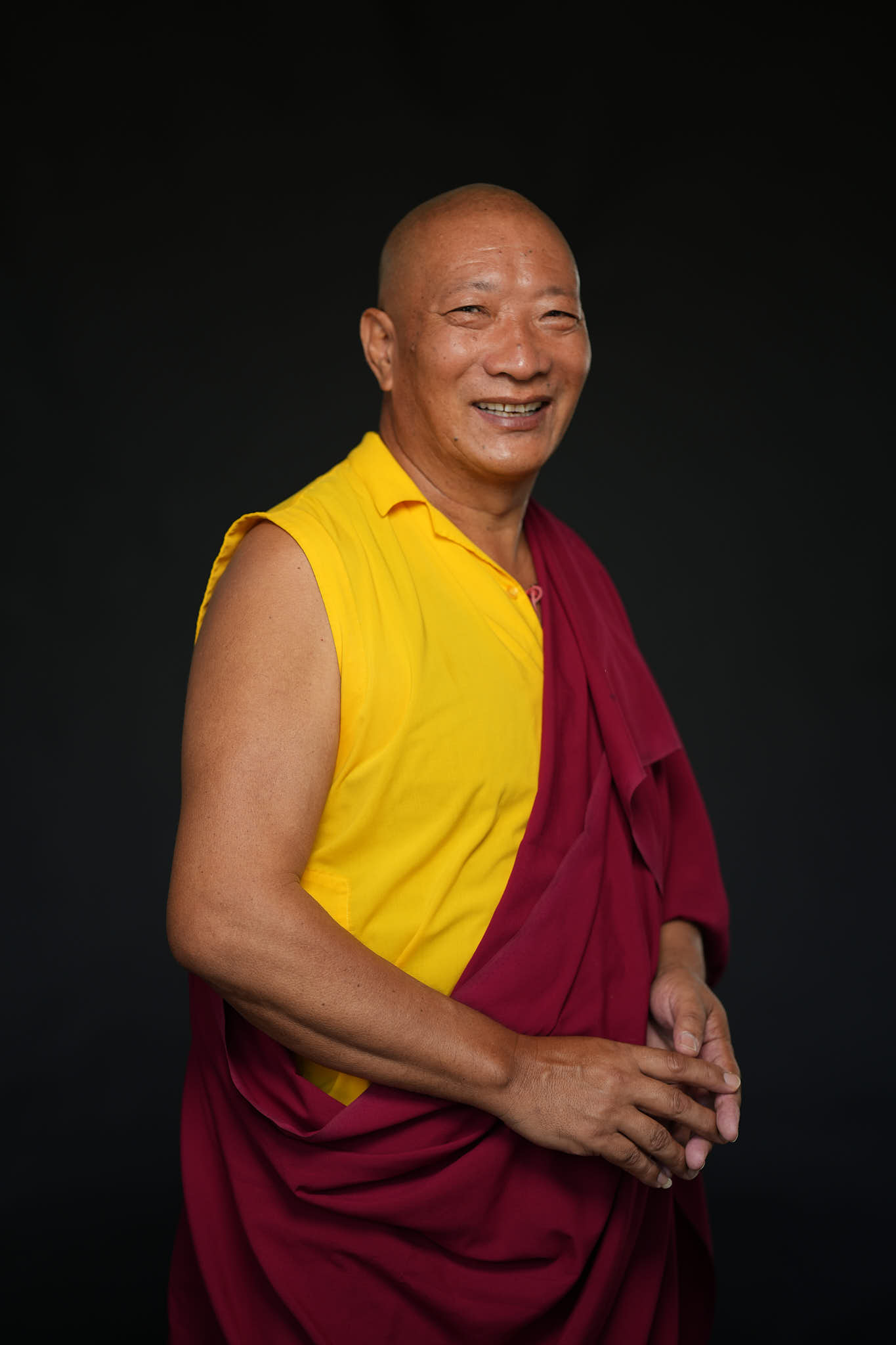
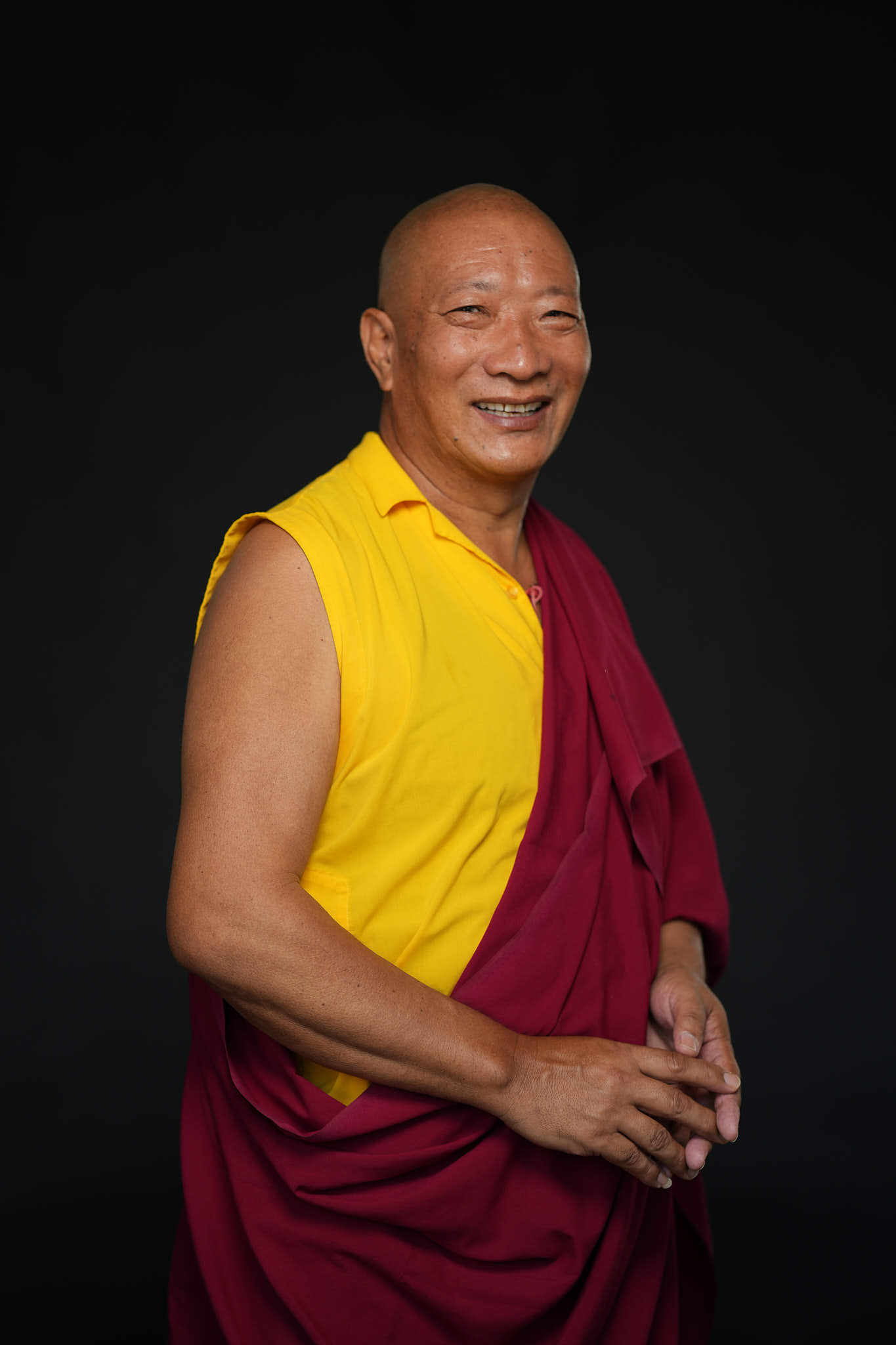
One last reminder: Drupon Thinley Ningpo will be giving Dharma teachings in Charlottesville starting next week! I am very excited to host him and his translator Virginia Blum. Oct 2nd – 5th. All teachings at the Unity Church. Here is the schedule:
Thurs Oct 2nd – 6:30 – 8:30 – “How to Increase Loving-Kindness & Compassion” plus time for Q & A
Fri Oct 3rd – 6:30 – 8:30 – Discussion about & Bestowing the Bodhisattva Vows
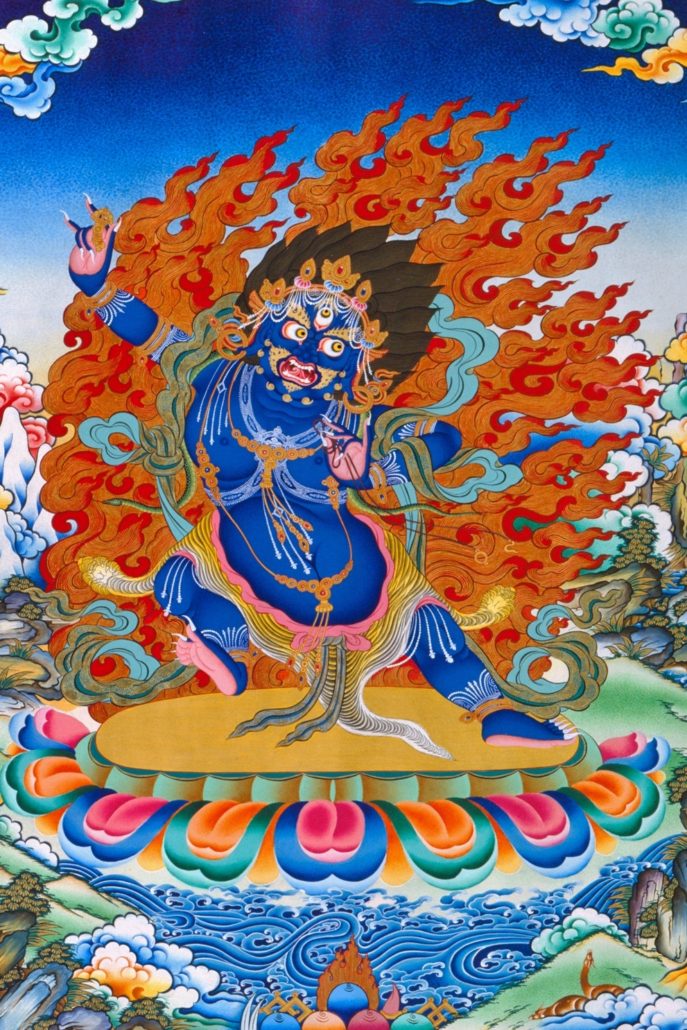
Sat Oct 4th – morning 9:30 – 12 – Giving the Vajrapani Empowerment; afternoon 2 – 5 pm – Commentary on & Text Transmission of the Vajrapani Practice plus Q & A
Sun Oct 5th – 9:30 – 12 & 2 – 5 pm – Group Vajrapani Practice with Drupon la
I love what I do. It is very difficult to fully describe what it is that I offer. I am a Craniosacral Therapist, along with offering Somatic Experiencing, Integral Somatic Psychology, Birth Process Work (working with Pre- and Perinatal Psychology), Asian Bodywork, Subtle Energy Bodywork and Western Astrology.
I have many clients who are amazed at the transformations they notice after just a few sessions. But they can’t tell people why they are changing or tell others what exactly I do. That is fine. Most of what I offer is grounded in science and efficacious empirical trauma resolution practice. I track the nervous system, I notice if my clients are stuck in lower energy freeze (shut down, collapse, giving up energy), activation (agitation, irritability, go go go mode, sped up, etc) or if they are in a stable state of social engagement. Then we apply interventions to help them come up out of those two lower states.
Honestly, the biggest intervention I offer is authentically seeing and hearing people. Offering them a caring and safe space to share, to feel their emotions and express them (in a therapeutic manner) and to be as welcoming and non-judgmental as possible. This is the best thing I can offer them – being a safe care-taker of their nervous systems while they are in my office. Teaching them methods to self-regulate so they can do their own work and stabilize without leaning on me all the time.
I can easily say that most of this is due to attending and learning from great teachers. And this is true. I have worked with some experts and masters when it comes to nervous system repair, craniosacral therapy, asian bodywork, spiritual healing and western astrology. However, what might be more important is that I have taken their teachings to heart AND I have done my own work. I don’t mean to brag here (I have a lot of privilege and good karma), but I have gone through (received) hundreds of healing sessions, womb surrounds process workshops, bodywork sessions, meditation retreats and demos in the past 20+ years. I have witnessed many powerful sessions as a student and observer, and I have taken note of why those people benefited so much.
Therefore, I am able to help my clients transform patterns of suffering. I am able to support them through a re-birth process. Many of my clients talk about wanting to find their voice. They want to be able to trust their inner voice, their intuition and innate wisdom. They want to reclaim their power. Many people want to be clearer about what their emotions are in the first place. “What am I feeling inside?” I can help them get there. We work on building a solid foundation first – no point opening the upper chakras if you don’t have any stability in your body. Then we can support their fire element to grow stronger, their mental clarity and self-expression to be in alignment, and to balance all the elements and to have more energetic flow in their body.
These are just a few of the things I offer. It is a privilege and honor to be able to benefit so many different types of trauma. I do have my limits – I can’t treat everything or everyone. If it is a good fit however, then my clients start to shift ancient patterns and even ancestral legacy relatively quickly. I love what I do. It is dynamic, it is complicated, and yet it is simple caring presence that is the biggest catalyst for healing.
Let me know if you want to schedule a free 15-minute consult to see if we might be a good fit to work together. I see clients in-person in Central Virginia, but online as well. I have several clients in Europe and Asia who I have never met in person, and yet they are doing incredible healing work with my support. https://www.mkirbymoore.com/contact.html
Oct 2nd, Thursday evening from 6:30 – 8:30 pm, Drupon la will teach on Ways to Increase Loving-Kindness & Compassion in Trying Times, and there will be time forQ & A
Oct 3rd, Friday evening, 6:30 – 8:30 pm, Drupon la will discuss and give the Bodhisattva Vows
Saturday, Oct 4th, from 9:30 – 12 pm – Vajrapani Empowerment
Saturday from 2 – 5 pm – Commentary on Vajrapani Practice, Text Transmission and Q & A
Sunday from 9:30 – 12 and from 2 – 5 pm – Vajrapani Group Practice with Drupon laalong with time for questions about the practice
Zoom option: Saturday & Sunday’s Empowerment, teachings and group practice will be available on Zoom. Just register for one of the days and we will send you the meeting invite (for both days).
Virginia Blum is attending Drupon la. She is a very competent translator, having studied at UVa’s Summer Language Intensive program and the Kagyu College (immersion program) in Dehra Duhn India, nearly 20 years ago. She has translated for many highly-respected teachers including Garchen Rinpoche, Traga Rinpoche, Khenchen Nyima Gyaltsen and more.
Improving mental health doesn’t always mean following the same tried-and-true steps of exercise, therapy, and mindfulness. While these are essential, there’s a wide spectrum of lesser-known practices that can bring surprising relief and joy. Sometimes, the spark that lifts your mood comes from unexpected places—a shift in how you express yourself, where you spend your time, or even how you challenge your body and mind. Exploring new angles on self-care can reignite curiosity, break the monotony of routine, and uncover tools that fit your personality in a deeply personal way. Below are unique approaches worth experimenting with to support your mental health journey.
Creative Journaling Journaling has long been recommended as a tool for emotional release, but the format doesn’t have to be neat handwriting in a lined notebook. A practice known as “junk journaling” turnseveryday items into expressive keepsakes—ticket stubs, doodles, scraps of paper, or even pressed leaves become part of a tactile story. This approach removes pressure to write perfectly and instead focuses on capturing moments, textures, and colors that evoke emotion. The result is a physical record that is just as much about the process as the product, allowing you to externalize feelings in a way words alone can’t.
Natural Modalities for Stress Relief Stress reduction can be approached through gentle, non-invasive methods that support the body and mind without adding strain. Simple breathing exercises, practiced for just a few minutes a day, can shift your nervous system into a calmer state. Gentle yoga offers slow, intentional movement that eases muscle tension while grounding your thoughts. Among plant-based approaches, ashwagandha is known for its adaptogenic qualities, helping the body adapt to stress over time. Some individuals are exploringTHCa diamonds as another potential option, appreciating their unique profile while ensuring they integrate them thoughtfully and in line with personal wellness goals.
Environment and Design Your physical space quietly shapes your mood and mindset. Cluttered rooms, harsh lighting, or cramped layouts can feed anxiety and restlessness, while deliberate design choices can encourage calm. Evensmall shifts in your physical surroundings, like rethinking furniture placement or introducing more natural light, can have a profound effect. A well-arranged space supports focus, while a cozy reading nook or a plant-filled corner can offer a retreat during stressful moments. You don’t need a full renovation, just the willingness to experiment with changes that make your home feel like an ally.
Expressive Arts Therapy Art can be a bridge between thoughts and emotions, offering a channel for expression without requiring verbal explanation. In clinical settings, expressive arts therapy blends music, visual arts, dance, and drama into structured activities aimed atletting art ease anxiety and boost self-worth. But you don’t need to be in therapy to adapt some of these techniques. Finger-painting for five minutes, drumming along to your favorite song, or moving freely to music at home can all create micro-moments of release. The act of creating, not the quality of the finished piece, is what makes this powerful.
Guided Imagery The mind is capable of transporting itself into states that influence real emotions and physical sensations. Bymentally rehearsing calmer moments, guided imagery invites you to build detailed mental landscapes—walking through a forest path, floating in a warm pool, or standing on a quiet beach at sunrise. You can follow audio scripts, work with a coach, or craft your own. This method taps into the same parts of the brain that respond to real experiences, meaning your body can reap similar benefits: lowered heart rate, muscle relaxation, and a more grounded sense of presence.
Adventure Therapy If your mental health feels stagnant, consider a challenge that combines movement, nature, and teamwork. Adventure therapy, often conducted outdoors, might involve rock climbing, rope courses, or group hikes designed to foster trust, problem-solving, and resilience. Bytesting trust and resilience through shared challenge, you’re not just exercising—you’re also navigating uncertainty and building social connection in a supportive setting. This combination of physical exertion and relational bonding can deliver an energizing shift in perspective.
Storytelling for Healing Stories aren’t only for entertainment—they’re a potent tool for reframing personal experience and reducing stress. Programs in hospitals and community centers have shown howusing narrative to soothe and distract from pain can help patients feel more in control and connected. You might write your own fictionalized version of a tough period, join a storytelling circle, or record audio memoirs for yourself or loved ones. By giving structure to your experiences, storytelling helps you make sense of them, preserving lessons and reframing challenges in a way that supports recovery.
The path to better mental health doesn’t have to be linear or conventional. Whether you’re collaging mementos into a journal, adjusting a reading chair to catch the morning light, dancing to a favorite song, or crafting the story of your life, these activities encourage connection—to yourself, to your environment, and to others. Unconventional practices can feel more like play than “work,” which makes them easier to integrate consistently. Mental health thrives not only on discipline and care, but also on creativity, novelty, and joy—qualities these approaches bring in abundance.
Embark on a transformative journey with AstroDharma and explore the powerful intersection of somatic healing and astrology to enhance your dynamic wellness today!
This was written by guest author Camille Johnson. Thank you Camille for such great advice!
I created Trauma Informed Astrology back in 2021 as I was completing Somatic Experiencing certification, and seeing how many ways one can see trauma in the Natal Astrology Horoscope (the Birth Chart). I appreciate how Western Astrology answers the questions of Why is this happening? (what energies are involved?) And When questions – when will that transit show itself? When will that progression be at its peak? And even going back into the past and looking at that difficult stretch of my life – why were those things happening At That Time?
By adding Nervous System Repair tools and Trauma Resolution modalities into the mix, I now had answers to the “What do I do about it?” questions. It is one thing to say, “You have Pluto exactly conjunct Mars and Moon in Scorpio, and that might mean some anger and rage issues. There might be big intense feelings, whether lust, desire, frustration, etc. Go big or go home might be your mantra (for better or worse).” There is a lot more we can say about this dynamic. However, merely with the tool of Western Astrology, I would not know how they could work on this anger / rage / bigness issue. Add in SE, Integral Somatic Psychology, Zapchen Somatics and more tools that I have learned, and suddenly you can give people appropriate homework and somatic exercises to help them come down out of their heads and into a more compassionate relationship with their body (and its innate wisdom).
It turns out, attracting students and clients who can grok (really understand and get it) the combination of Western Astrology, Nervous System Repair tools and Somatic Tools and exercises for greater embodiment is quite difficult to do. This seems to be a very niche market. Not to mention charging appropriate money for my time and energy and all that I put into making the Trauma Informed Astrology courses (we did two of them). I was charging $625 for a 20 hour+ course.
On a side note, I have been very happily married for two years now. I live with my wife, her mother, our large garden, and currently, one cat and five chickens. Considering I am the main caretaker of our yard and house maintenance, I am struggling to find time for everything I want to do professionally. I love seeing my somatic-process-oriented bodywork clients and helping people to bring more awareness and presence into their bodies and into their healing process. I literally cannot put into words what it means to feel what deep embodiment feels like. I can listen to my individual organs – what does my right kidney want / need in this moment? What does my liver need? That is something that 99% of the population would scoff at, and yet, most people who see me for at least 5 – 7 sessions can start to get a glimpse of what I am talking about.
So I am trying to figure out what is next. I love helping people come down out of their heads and into the potency of their pelvis and the compassion and empathy of their hearts. And then seeing a new form of mental clarity arise out of deeper embodiment. I love supporting people in their healing process – whether strengthening boundaries, getting more in touch with their emotions, discerning what these strange symptoms are about, etc. I enjoy leading spiritual and somatic retreats where people drop into deeper alignment and embodied joy.
Up to this point (above), I have not mentioned anything about loving the way astrology keeps you in your head. Most people know that I am a professional astrologer and they want free advice – “Oh Mercury is retrograde with several planets in Leo, what does that mean?” If I had easy access to that part of my brain, that would be one thing. But every week that I deepen my spiritual and embodiment practices, another piece of astrology exits my mind. I no longer want to memorize facts about planets and aspects and houses and be able to regurgitate them. I want to be in my right brain, in the flow state, be where I am emotionally and do my spiritual practice.
I appreciate astrology where I support people in their curiosity and exploration, asking their body / heart / spirit what to do with difficult questions about life situations. I enjoy how astrology informs the deeper healing work that I do – it helps to refine which tools to use with people at different times.
But I am feeling a pull to let Trauma Informed Astrology go. It is a big ambitious project. I’m not sure if I had had more support or more clients / students that I would even want to stick with it. My vocation is shifting subtly, and I need to listen to my heart.
I still offer mentoring and personal sessions in Trauma Informed Astrology. If you want to deepen your own healing and do your work, I offer great healing sessions with people even over long distance.
Stress doesn’t knock. It builds. It waits. And then it shows up at once — in your shoulders, in your sleep, in the way your voice tightens during a normal conversation. Most of us wait too long to defuse it. But here’s what many people miss: creativity doesn’t require inspiration. It requires attention. Intention. Movement. Something — anything — that lets your brain go off-script and rewire. And you don’t need to identify as “creative” to start. You just need to pick up a tool and try. These aren’t hacks or gimmicks. They’re proven, repeatable, and yes — genuinely healing.
Start Small: Coloring Can Reset Your Brain
Let’s be honest — telling someone to “try art” when they’re drowning in logistics feels disconnected at best. That’s why low-effort, high-flow creative tools matter. Coloring, in particular, activates what psychologists call a parasympathetic state: the one where the nervous system softens and settles. Simple designs with patterns and symmetry engage visual-spatial attention and lower the mental volume. Studies show thatcoloring’s calming effects go beyond novelty — they genuinely reduce anxiety and offer a type of structured play that even high-stress adults respond to. It’s meditative, portable, and zero-pressure. No performance. Just motion. Just color.
AI-Powered Creativity Lowers the Barrier to Entry
One of the most powerful breakthroughs in stress relief isn’t analog — it’s digital. AI-assisted painting tools help people bypass blank page anxiety by turning simple prompts into rich visuals almost instantly. These systems remove the pressure of drawing “well,” letting emotion and mood guide creation instead of technique. They’re accessible, judgment-free, and available whenever you need a release — and they’re especially helpful for people who don’t see themselves as creative. There are many helpful tools available online; you can explore how they workfor additional details.
Making Art Reduces Cortisol — Fast
It’s not about skill. It’s about friction release. One study had people scribble, finger-paint, or collage for 45 minutes. No instruction. No expectations. And the result? Their stress hormone levels dropped — fast. Researchers tracked measurable drops in cortisol across participants regardless of experience level. That means the body responds to effort, not output. The creative act alone matters. You could draw nonsense shapes or tear paper into a spiral. Doesn’t matter. The act ofart making lowers cortisol levels, grounding the nervous system and reorienting the brain toward safety. It’s not self-care fluff — it’s biochemistry in motion.
Repetitive Crafts Regulate the Mind
You don’t have to reinvent your lifestyle. Start with your hands. Knitting, sewing, embroidery, and even basic origami all rely on the same neurochemical principle: repetitive, rhythmic motion resets a frayed stress circuit. It shifts the locus of control back to something tactile and manageable. A pair of needles, a simple loop, a counted row. It works. That’s why practitioners across age groups report thatknitting and crocheting calm nerves, stabilize breath, and promote focus. It’s a form of active rest — stillness that moves. And unlike scrolling, it produces something real. Something you can hold.
Cultural Curiosity Is a Creative Outlet
You don’t need a canvas. You need curiosity. Watching films from other countries, trying new instruments, listening to folk music, or experimenting with unfamiliar recipes — it all counts. Why? Because immersion in a new cultural form stimulates dormant parts of your creative mind. And it gives your body a sense of exploration, novelty, and expansion — all key to nervous system flexibility. As one mental health researcher put it,exploring cultures lowers stress by increasing one’s sense of connectedness and perspective. You stop looping on your problems. You start absorbing new frameworks. It’s not escape — it’s reorientation.
Creative Expression Strengthens Your Coping Capacity
Here’s what most wellness advice skips: the link between creativity and resilience. It’s not just that expression feels good — it builds cognitive agility. Creating something, even something small, changes how you relate to uncertainty. You become a problem-solver instead of a ruminator. There’s emerging evidence thatcreative expression strengthens coping, particularly for people navigating loss, transitions, or burnout. This isn’t wishful thinking. It’s backed by measurable improvements in stress response, emotional regulation, and even working memory. The act of shaping chaos into form — a painting, a playlist, a poem — gives you back agency in a world that often takes it away.
Art Therapy Supports Emotional Regulation
Sometimes the words won’t come. Or when they do, they arrive sideways — tangled in fear, shame, or fatigue. This is where visual and sensory language outperforms spoken analysis.Art therapy encourages self-expression by giving emotions an indirect outlet — one where the pressure to explain is removed. Through colors, textures, and nonverbal representation, individuals process stuck emotions without needing to intellectualize them. And the science supports it: art therapy has been used effectively in trauma recovery, grief work, and stress-related chronic illness. You don’t have to “talk through” every hard thing. Sometimes, the shape of a feeling is more honest than a sentence.
Stress isn’t a flaw. It’s a signal. And ignoring it doesn’t make you strong — it makes you stuck. Creative practices aren’t a luxury or a side project. They’re adaptive mechanisms. They slow the internal avalanche and offer something rare in chaotic times: an invitation to feel without fixing. A sketch. A song. A movement repeated until the noise lowers. These are not distractions. They’re transmutations. You’re not becoming an artist. You’re becoming a safer place for yourself to land.
Embark on a transformative journey with AstroDharma and discover the powerful intersection of somatic healing and astrology to enhance your dynamic wellness today!





 Meditation Informs Healing Facilitation