
This article was written by Camille Johnson. Thank you Camille, for contributing!
If you are interested in posting your work regarding the intersection of alternative health, wellness, psychology, astrology and Dharma, let me know!
Thank you for visiting,
Kirby Moore
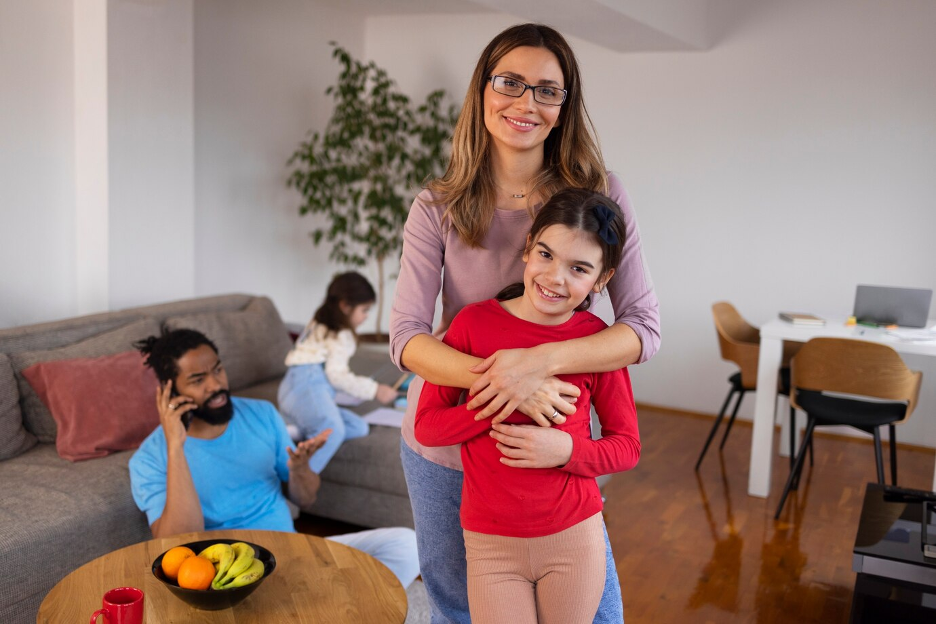
As a parent, the emotional landscape you navigate is complex and deeply intertwined with your child’s well-being. Anxiety, often an uninvited guest, can seep into family life, affecting relationships and communication. Recognizing its presence and impact is the first step toward fostering a healthier environment. By addressing your own anxiety, you not only enhance your mental health but also set the stage for your children to grow in a supportive and nurturing atmosphere.
Enhancing Career Prospects to Alleviate Job-Induced Anxiety
If your job is a significant source of stress, it might be time to consider enhancing your career prospects. Breaking down the process into manageable steps, such as updating your resume or expanding your professional network, can help you gain confidence and reduce anxiety. For example, if you work in nursing and want better working conditions, shifts, and pay, consider this path to earn a master’s degree in nursing, which can lead to more fulfilling roles with improved compensation and hours. Regardless of your career track, online degree programs make it easier to handle parenting and work duties.
The Ripple Effect of Parental Anxiety on Family Communication
Anxiety can disrupt family harmony, altering dynamics and communication patterns. Anxious parents may adopt more controlling or harsh educational styles, which can hinder their children’s healthy development and strain relationships. This stress can inadvertently be passed on to your children, potentially leading to behavioral issues and anxiety in them as well. Effective communication is crucial in mitigating these effects, as it serves as a bridge for emotional bonding and trust.
Modeling Stress Reduction Through Daily Practices
Incorporating consistent habits like meditation, physical activity, and healthy eating into your routine can positively influence your child’s ability to handle stress. Demonstrating these coping strategies sets an example that fosters emotional well-being and resilience. Regular movement and mindfulness practices contribute to lower anxiety and improved mood, while balanced nutrition supports mental clarity and stability. Prioritizing these behaviors creates an environment that encourages children to embrace healthy practices.
Fostering a Resilient Home Environment for You and Your Child
Creating a nurturing home atmosphere is crucial for developing effective coping mechanisms for both you and your child. By establishing clear expectations and consistent routines, you provide a sense of stability that helps manage anxiety. Encourage open communication by actively listening to your child’s concerns and discussing challenging topics in a safe space. This approach not only meets their emotional needs but also models positive coping strategies, fostering resilience.
Harnessing Physical Activity to Alleviate Anxiety in Families
Regular physical activity can greatly reduce anxiety and improve overall mental well-being. It promotes the release of endorphins, enhancing mood while encouraging healthy habits within the family. Consistently engaging in such activities provides an opportunity to model effective ways to manage stress and regulate emotions. Prioritizing movement as part of daily life fosters both physical and emotional resilience in a natural, supportive way.
Fostering Independence and Self-Expression in Children
Encouraging children to express themselves and develop independence builds their confidence and self-worth. Actively listening and validating their emotions fosters a secure sense of identity and helps them articulate their thoughts. Giving them responsibilities at home nurtures autonomy and equips them with valuable life skills. A safe, structured environment with clear boundaries allows them to explore and grow.
The Impact of Parent Support Groups on Anxiety
Parent support groups offer a meaningful way to navigate the challenges of parenting a child with anxiety. They create a space for shared understanding and provide practical strategies to address common struggles. Facilitators often bring personal or professional expertise, ensuring the guidance feels relevant and empathetic. These groups enhance your journey by fostering community while respecting the role of professional care.
Taking proactive steps to manage anxiety can transform your family’s dynamic, fostering a healthier and more supportive environment. By focusing on career growth, enhancing communication, modeling stress reduction, and encouraging independence, you lay the foundation for a resilient family. Embrace these strategies to cultivate a nurturing atmosphere where both you and your children can flourish.
Explore the transformative intersection of Nervous System Repair and Western Astrology with AstroDharma and embark on a journey toward dynamic wellness today!
 Meditation Informs Healing Facilitation